Beat 1
The Empire at its Peak
By the end of the second century, Rome stood unmatched—vast, wealthy, and ruled by a single figure of absolute power: the Emperor.
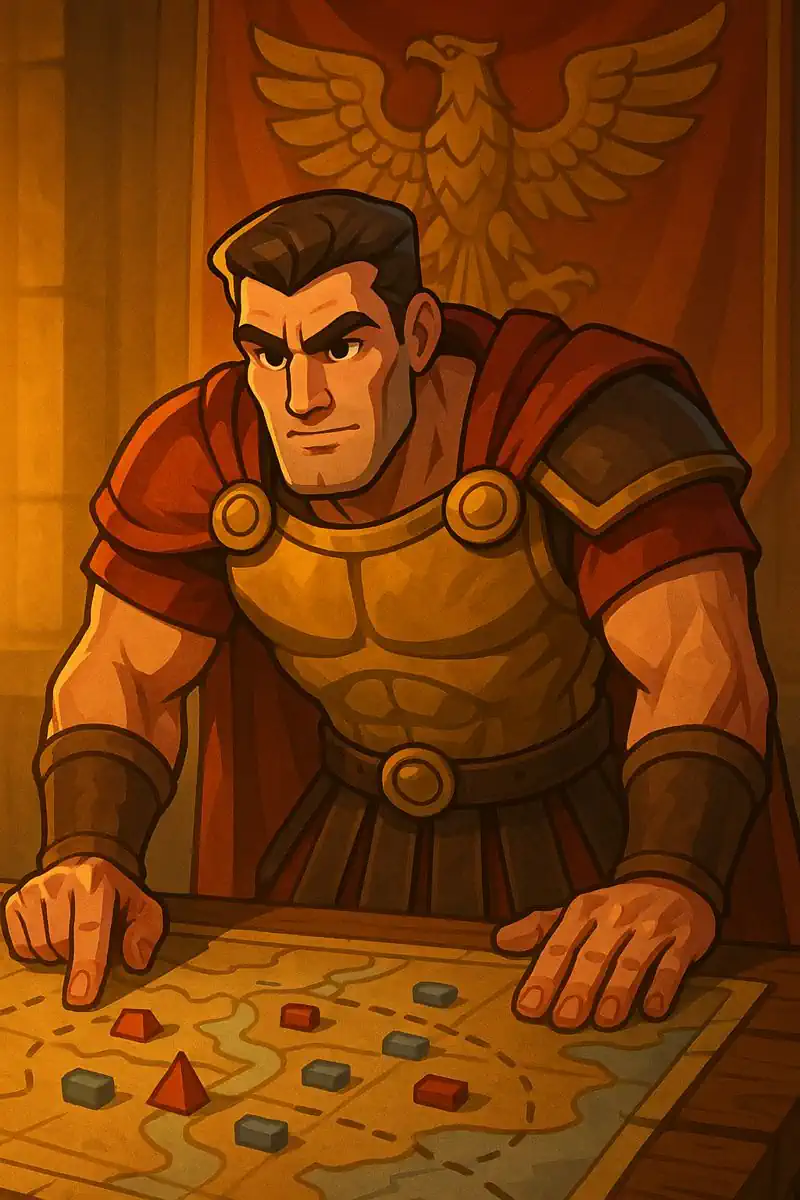
The Official Lore
Grow & Conquer begins at the worst possible moment: the Empire’s defenses are broken, cities are burning, and the Senate is ready to execute anyone who looks weak. In the chaos, Empress Faustina makes a single move that changes history—she crowns a new Emperor.
“They said Rome wasn’t built in a day. That’s because they didn’t have me. We march at dawn.”
A fast story you can read in under a minute—built directly from the game’s lore.
Recommended next
Strategy Wiki →Beat 1
By the end of the second century, Rome stood unmatched—vast, wealthy, and ruled by a single figure of absolute power: the Emperor.
Beat 2
For ten years the Emperor repelled barbarian invasions, holding the borders through discipline, fortifications, and iron strategy.
Beat 3
The north united. Tribes bypassed Roman defenses and launched an attack so massive it shattered the army’s certainty—and the Empire’s future.
Beat 4
Knowing this war would define Rome, the Emperor led the army himself. He sought the barbarian leader to end the conflict in a single strike.
Beat 5
But his rival was relentlessly ferocious. The battlefield turned into a storm of steel, fire, and betrayal—and the Emperor fell.
Beat 6
Blinded by greed and revenge, the barbarians marched south. Cities were looted, sacked, or besieged. The Empire was suddenly defenseless.
Beat 7
The first confirmation of the Emperor’s death arrived at the palace. A messenger demanded an urgent audience with the Empress.
Beat 8
The news devastated Faustina—yet she quickly realized her own execution could be imminent. The Senate would not forgive weakness. Trust was a luxury.
Beat 9
Days later, a young general from distant lands stood before her. Faustina said nothing—she only handed him an official document sealed by Rome.
Beat 10
As he read, he understood: the future of the Empire now rested in his hands. Faustina knelt first—and called him: “My Emperor.”
Every world is a chapter. Every city you reclaim is a line erased from barbarian history.
The heart of the Empire. The first fires to extinguish.
Boss: Attila the Hun
Fierce warriors. A land that respects strength, not titles.
Boss: Vercingetorix
Hard terrain controlled by disciplined Legionnaires.
Boss: Horn
Northern isles where Gladiators enter enemy ranks.
Boss: Attila the Unbreakable
Dark forests, relentless pressure, brutal enemies.
Boss: Arminius
Praetorians appear. The elites refuse to kneel.
Boss: Attila the Undead
The final frontier. No mercy. No retreat.
Boss: Flavus
In the story, these are Rome’s rebuilding efforts. In gameplay, they decide whether your city survives raids, invasions, and late-game pressure.
The Gate is the city’s spine. Each upgrade increases how much punishment it can take before collapsing.
The Empire’s tax system. Income is generated in cycles—upgrades shorten the cycle and grow long-term wealth.
Special forces and training grounds. Higher levels represent better drills, discipline, and stronger city defense.
The last resort. If troops fall, Wall Archers hold the line to prevent the Gate from being destroyed.
Rome’s most brutal answer. The Catapult can deal devastating damage and change the outcome of a siege.
Lore note: When the Emperor fell, cities survived only where gates held, archers stayed disciplined, and the treasury kept paying soldiers. That’s why upgrades matter: they’re the difference between order and collapse.
Short, actionable rules. Think of these as orders the Emperor gives before sunrise.
Quick answers that connect lore to the systems you use every day.
Yes. This page summarizes the core lore: the Emperor falls, the Empire collapses, and Faustina crowns a new Emperor to reclaim the 7 worlds.
Your conquest of the 7 worlds represents restoring the Empire. City Upgrades are the empire’s defenses and economy, while invasions and raids reflect constant external threats.
Faustina is the Empress. After the Emperor’s death, she becomes the key political figure in Rome and chooses the new leader who will retake the Empire.
They protect your cities (Gate, Wall Archers, Barracks, Catapult) and scale your economy (Bank). In lore terms, they’re the backbone of rebuilding Rome.
Upgrade the Bank and your empire economy systems—higher levels improve gem generation over time.
Conquer the worlds, fortify the cities, and rebuild the Empire. If you want updates, events, and guides, join the list.
Get updates
No spam. Only useful drops for players who want to progress faster.